Lake Gillear Project
Partners: Warrnambool Coastcare Landcare Network, Tutt Environmental Services, Eastern Maar Aboriginal Corporation, Emmanuel College, Warrnambool Community Garden & Green Futures-Warrnambool City Council.
A significant regional collaboration is underway at Lake Gillear, bringing together education, community, and environmental partners to deliver a practical environmental restoration initiative.
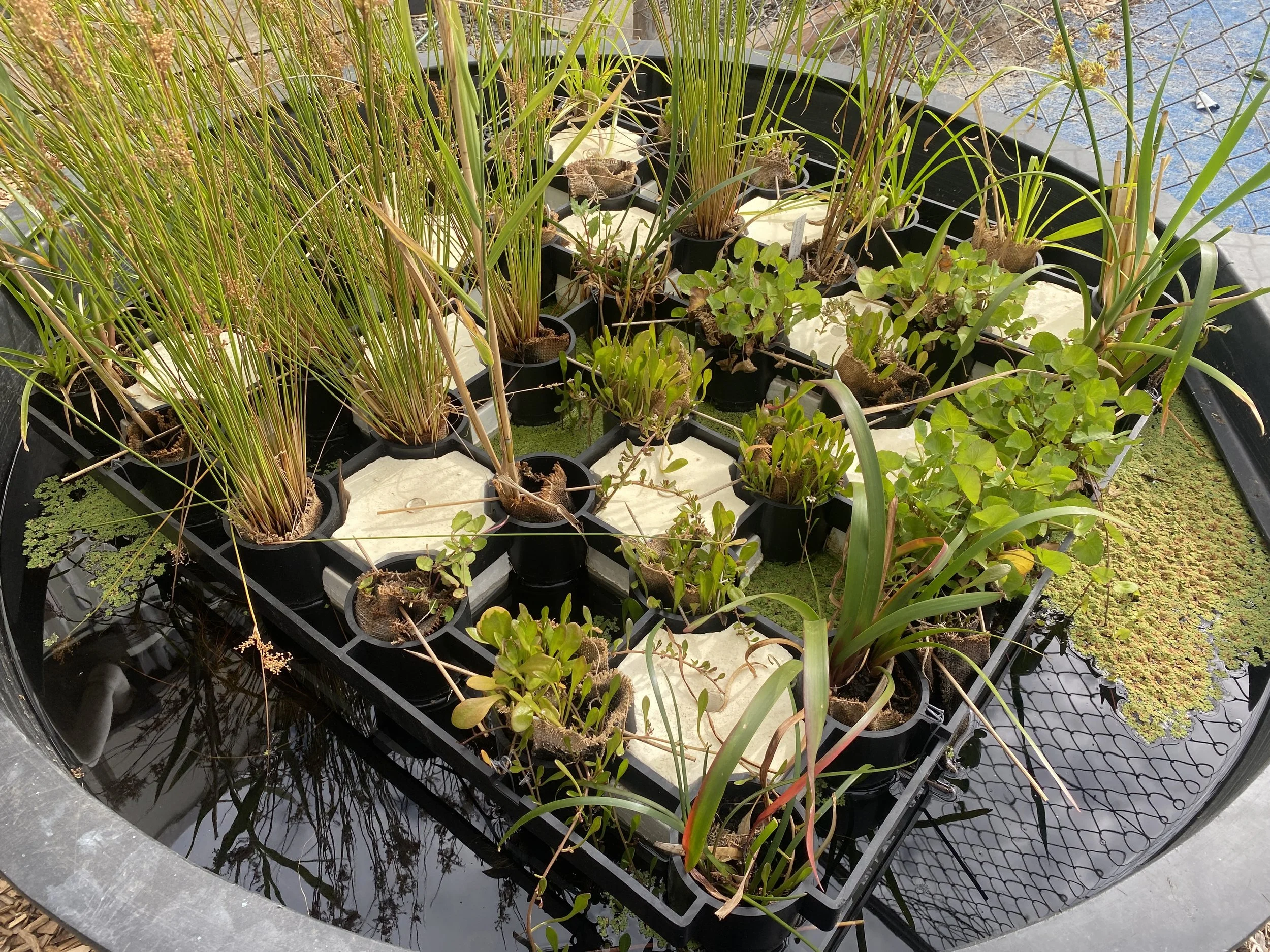
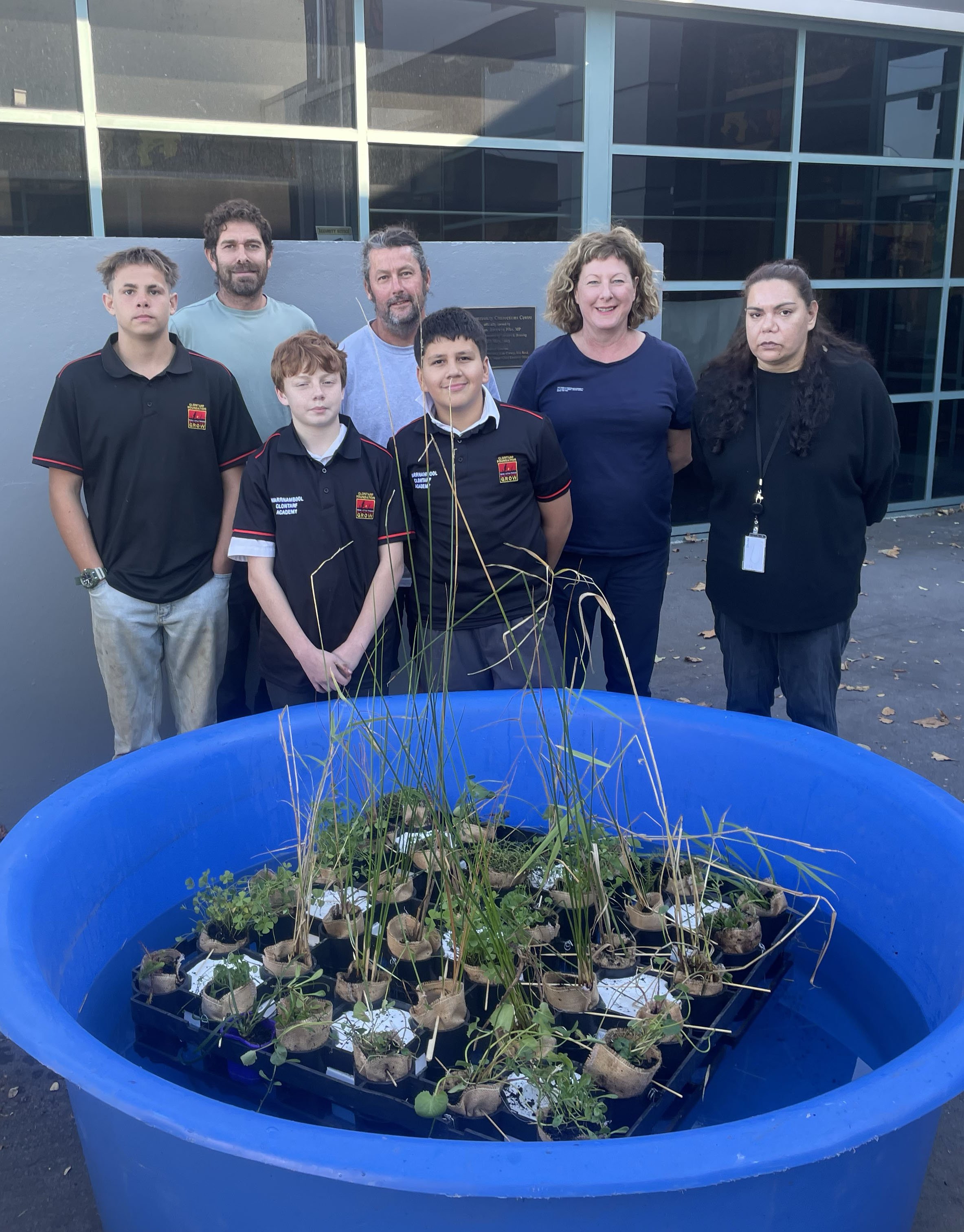
Floating wetland modules provide a unique opportunity for schools to combine environmental restoration with hands-on learning. They create living outdoor classrooms where students and community members can actively participate in the construction, planting, installation, and ongoing monitoring of a real-world environmental project.
Benefits of Floating Wetland Modules in schools and community sites
Hands-on learning experiences for participants of all ages through the design, construction, planting, and installation of the modules.
Environmental stewardship by involving students in a practical restoration project that improves local waterways and ecosystems.
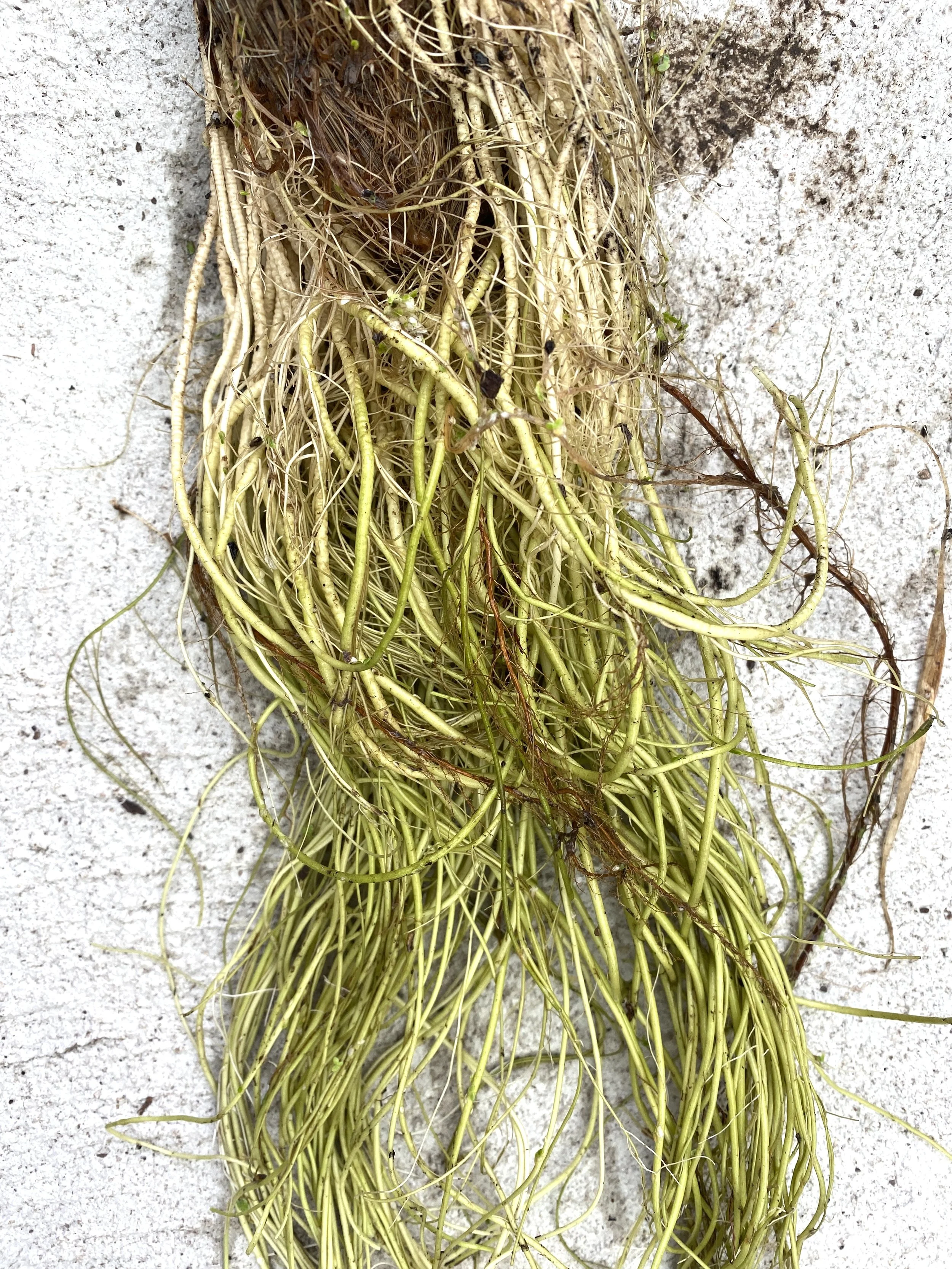
Habitat creation for a diverse range of insects, aquatic invertebrates, frogs, birds, and other wildlife, increasing local biodiversity.
Scientific inquiry and data collection opportunities as students observe plant growth, water quality, wildlife activity, and seasonal changes over time.
Cross-curricular learning that integrates Science, Technology, Engineering, Arts, and Mathematics (STEAM) through design, monitoring, documentation, and creative interpretation.
Long-term observation and research as aquatic plant species establish and mature, allowing learners to collect and analyse data on plant health, biodiversity, water clarity, and habitat use.
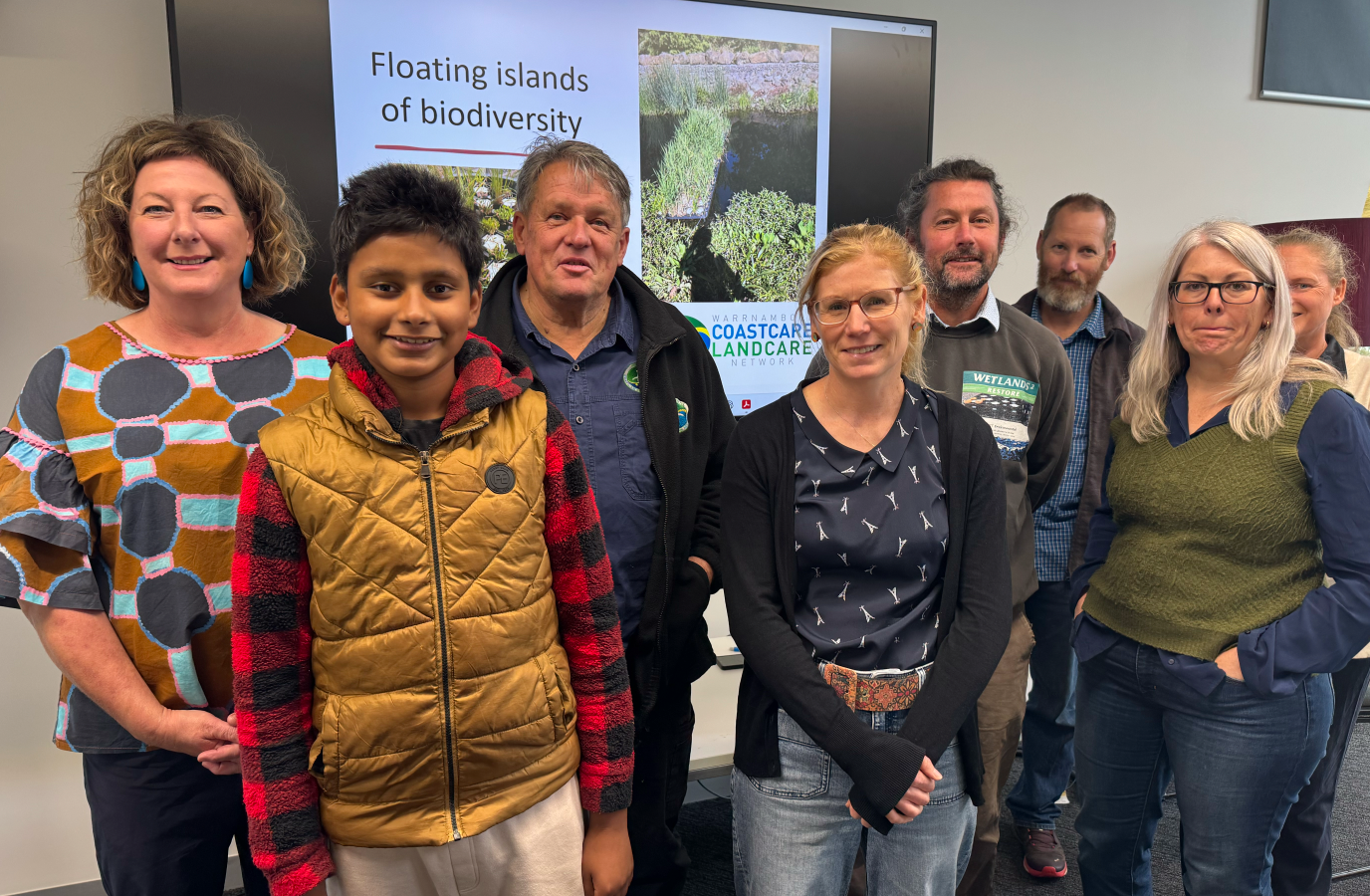
Community engagement by bringing together schools, environmental organisations, local government, Traditional Owners, and community groups to work towards a shared environmental outcome.
Connection to place by encouraging participants to understand and care for local waterways and ecosystems within their region.
Semester 1 & 2, 2026